How to Choose a Radon Contractor in Pennsylvania
Understanding radon risks in Pennsylvania
Pennsylvania has one of the highest average indoor radon levels in the country. The geology of the state, especially the Reading Prong region that runs through parts of York and Lancaster counties, creates conditions where uranium in the soil breaks down into radon gas. This gas can enter homes through cracks in foundations, gaps around pipes, and other openings. Because radon is invisible and odorless, the only way to know if a home has a problem is through proper testing.
Radon exposure over time is linked to lung cancer, and the Environmental Protection Agency recommends action when levels reach 4 pCi/L or higher. Many homes in Pennsylvania exceed that threshold. That is why homeowners, buyers, and sellers alike need to understand how to find a qualified professional to handle testing and mitigation. The process is not something to rush. Choosing the right person for the job makes a real difference in the safety and long-term effectiveness of the system installed.
What a radon contractor in Pennsylvania actually does
A certified radon professional typically handles two main tasks: testing and mitigation. Testing involves placing a device in the lowest livable area of the home for a set period, then sending it to a lab for analysis. Some contractors use continuous monitors that give hourly readings. The goal is to get an accurate picture of the annual average exposure, not just a one-time snapshot.
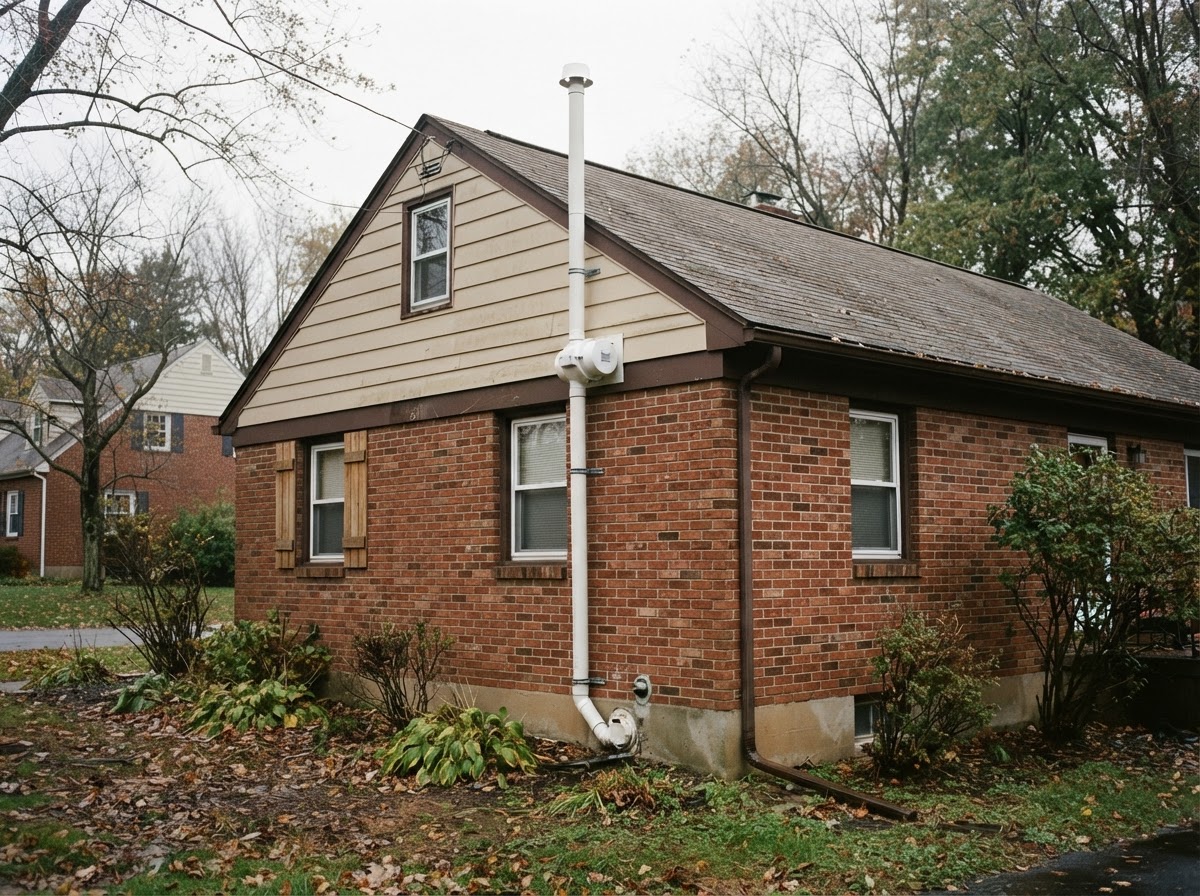
If test results come back above the action level, mitigation becomes necessary. The most common approach is sub-slab depressurization. This method involves drilling a hole through the basement floor, creating a suction point beneath the slab, and installing a fan unit that vents the radon gas outside. The fan runs continuously, pulling soil gas away before it can enter the living space. Sealing cracks and gaps in the foundation helps the system perform better, but sealing alone is rarely enough to solve a radon problem. A radon contractor Pennsylvania residents hire should be able to explain this process clearly and show how the system will be customized for the specific home.
Why certification matters
Not everyone who offers radon services has the training to do the job right. In Pennsylvania, the Department of Environmental Protection does not license individual contractors, but it does require that anyone performing radon testing or mitigation be certified by a state-approved program. The two main certifying bodies are the National Radon Proficiency Program (NRPP) and the National Radon Safety Board (NRSB). Both require passing an exam and completing continuing education to stay current.
A certified professional follows standard protocols for every test and every installation. That means the test is placed at the correct height, away from drafts and heat sources, and left undisturbed for the proper duration. For mitigation, certification ensures the system is designed to handle the specific sub-slab conditions of the home, not just a generic setup. When a homeowner hires a radon contractor Pennsylvania wide, checking for current certification is the first step. Without it, there is no guarantee the work meets state standards.
Questions to ask before hiring
Asking the right questions can separate a thorough professional from someone who just wants to sell a system fast. Here are a few that matter:
- Are you currently certified by the NRPP or NRSB? Ask to see the certificate and note the expiration date.
- Do you carry liability insurance? This protects the homeowner if something goes wrong during the installation.
- How many mitigation systems have you installed in homes similar to mine? Experience with basements, crawlspaces, and slab-on-grade foundations varies.
- Will you provide a written contract with a scope of work and a warranty? A good contractor stands behind the work and offers a post-mitigation test to confirm the system works.
- Can you explain how the system will be routed and where the exhaust will vent? The exhaust must be above the roofline and away from windows to prevent re-entry.
These questions help the homeowner gauge the contractor's knowledge and professionalism. A contractor who answers clearly and without hesitation is more likely to do a solid job. One who dodges or gives vague answers may not be the best choice.
The cost factor and what it covers
Mitigation systems vary in complexity. A straightforward sub-slab depressurization in an unfinished basement is usually simpler and less expensive than a system in a finished basement or a home with a crawlspace. The fan unit and piping are the main hardware costs, but the labor and expertise matter just as much. A properly installed system should reduce radon levels below 2 pCi/L in most cases. If the contractor cannot promise a post-mitigation test result below the action level, that is a red flag.
Some homeowners try to save money by hiring a handyman or general contractor to install a system. This is risky. Without training in radon mitigation, a general contractor may not understand airflow dynamics, proper sealing techniques, or the importance of fan placement. The system might work for a while but fail later, or it might never work at all. A certified specialist brings knowledge that cannot be replaced by general construction skills. The extra cost, if there is one, is usually worth the peace of mind.
Long-term maintenance and monitoring
Once a mitigation system is installed, it is not a set-it-and-forget-it solution. The fan unit runs 24 hours a day, 365 days a year. Over time, fans can wear out or become less efficient. Homeowners should check the system periodically for unusual noise, vibration, or reduced airflow. A simple manometer, a U-shaped tube filled with colored fluid, can be installed to show at a glance whether the system is maintaining proper suction. If the fluid levels are even, the system may have lost pressure and needs attention.
Retesting every two to five years is also wise. Radon levels can change as the ground shifts, water tables change, or new construction alters soil conditions nearby. A follow-up test ensures the system is still working and the home remains safe. Some contractors offer a warranty that covers the fan for a set period and includes a retest. Reading the fine print on the warranty helps avoid surprises later.
For homeowners who want ongoing peace of mind, continuous radon monitors are available. These devices plug into a wall outlet and track levels over days and weeks. They provide more data than a single short-term test and can alert the homeowner if levels spike. While not a replacement for professional testing, they offer a useful layer of awareness.
Local context in York and beyond
The area around York, Pennsylvania, sits in a region with elevated radon potential. Homes here often require mitigation, and the local climate means systems must be installed with care to avoid condensation issues in the vent pipe during cold months. A contractor familiar with the area will know how to handle these conditions. They will also understand local building codes and any permit requirements for the electrical work needed to power the fan unit.
Choosing a radon contractor Pennsylvania residents trust often comes down to local reputation. Word of mouth among neighbors, real estate agents, and home inspectors can point toward reliable professionals. Online reviews are helpful, but they should be taken with a grain of salt. A contractor with many positive reviews and no unresolved complaints is a good sign. Still, the best approach is to verify certification, ask the right questions, and get a clear written proposal before any work begins.
Radon is a serious problem, but it is solvable. With the right contractor, a home can be made safe, and the value of the property can be protected. Taking the time to find someone who is certified, experienced, and communicative is an investment in health, not just home maintenance. The process does not have to be complicated, but it does require paying attention to the details that matter most.